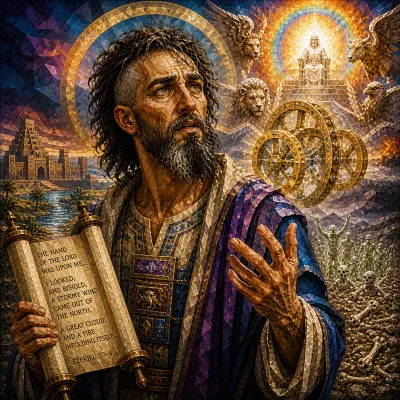
Ezekiel
The Prophet of Exile
Ezekiel was a priest and prophet during the Babylonian exile. His visions include the valley of dry bones and the future temple. He warned of judgment but also proclaimed hope for restoration.
Character Traits
Life Timeline
Ezekiel is born into a priestly family, son of Buzi. He is trained for temple service in Jerusalem. His priestly background shapes his prophetic ministry, with its emphasis on holiness, the temple, and proper worship.
EZK 1:3Ezekiel is among the 10,000 exiles taken to Babylon with King Jehoiachin in Nebuchadnezzar's second deportation. He settles in Tel Abib by the Kebar River among the exiles. His priestly ministry will never happen; he will never serve in the temple.
EZK 1:1-3, 2KI 24:10-16By the Kebar River, the heavens open and Ezekiel sees visions of God: a windstorm, four living creatures, wheels within wheels, and above them, a throne with One who looked like a man, surrounded by radiance. God's glory is not confined to the temple.
EZK 1:1-28God commissions Ezekiel as prophet to the rebellious house of Israel. He is told to eat a scroll containing lamentations, mourning, and woe, and it tastes sweet. God appoints him as a watchman to warn the wicked.
EZK 2:1-3:27God commands Ezekiel to perform dramatic sign acts: lying on his side for 390 days, eating rationed food cooked over dung, shaving his head and burning the hair. These acted prophecies demonstrate Jerusalem's coming siege and judgment.
EZK 4:1-5:17In a vision, Ezekiel is transported to Jerusalem's temple. He sees horrifying idolatry: elders worshipping crawling things, women weeping for Tammuz, men worshipping the sun. Then he watches God's glory depart from the temple, step by step.
EZK 8:1-11:25God tells Ezekiel that his wife, 'the delight of your eyes,' will die suddenly. He is forbidden to mourn. When she dies, he obeys. This becomes a sign: when Jerusalem falls, the exiles too will be struck speechless, unable to mourn.
EZK 24:15-27A fugitive brings news that Jerusalem has fallen. Ezekiel's tongue is loosened, and his prophecies shift from judgment to hope. Having warned for years, his vindication brings no joy but opens the way for restoration promises.
EZK 33:21-22God sets Ezekiel in a valley full of dry bones and asks: 'Can these bones live?' Ezekiel prophesies as commanded, and the bones come together, grow flesh, and receive breath. This vision promises Israel's restoration from death-like exile.
EZK 37:1-14In elaborate visions, Ezekiel is shown a future temple with precise measurements. God's glory returns and fills it. A river flows from the temple, giving life wherever it goes. This vision depicts ultimate restoration and God's permanent presence.
EZK 40:1-48:35Ezekiel dies in Babylon, never returning to Jerusalem or serving as a priest in the temple. His ministry spanned about twenty-two years among the exiles. According to tradition, he was killed by a Judean prince whom he rebuked for idolatry.
EZK 24:15-18Key Relationships
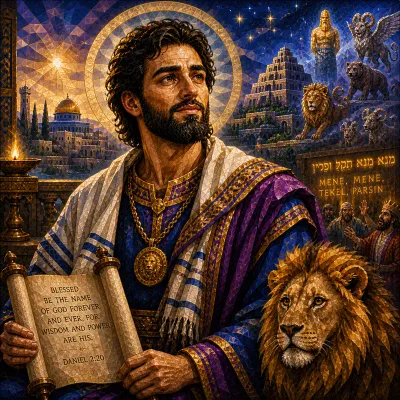
Contemporary Prophet - Daniel and Ezekiel both ministered in Babylon during the exile. Ezekiel mentions Daniel as a model of righteousness and wisdom. Though their roles differed, both served God's purposes in captivity.
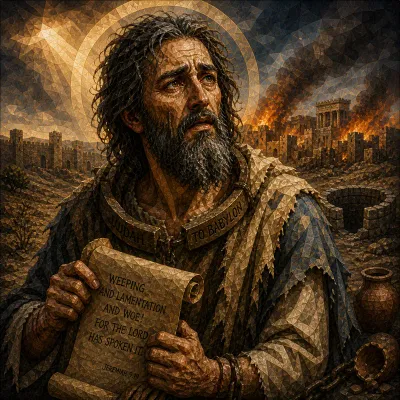
Contemporary Prophet - Jeremiah prophesied in Jerusalem while Ezekiel prophesied among the exiles in Babylon. They confirmed each other's message: Jerusalem would fall, exile would last, but restoration would come.
Key Locations


Spiritual Lessons
God's Glory Is Mobile
Ezekiel saw God's glory in Babylon, not just Jerusalem. When glory departed the temple, it was not extinguished but mobile. God is not confined to sacred spaces; His presence travels with His people into exile.
The Watchman's Responsibility
God appointed Ezekiel as watchman. If he warned the wicked and they did not turn, their blood was on their own heads. If he failed to warn, their blood was on him. Warning is responsibility; response is theirs.
God Can Resurrect the Dead
The valley of dry bones seemed hopeless, yet God restored them to life. Israel in exile seemed dead as a nation, yet God could and would restore them. No situation is beyond God's resurrecting power.